A Comprehensive Guide to Choosing Latex Mattress Toppers: Materials, Comfort, and Longevity
In the quiet theater of sleep, a latex mattress topper can be the subtle stagecraft that steadies the night’s performance. This guide dives into the tactile grammar of latex—Dunlop and Talalay processes, natural versus organic varieties, and how to calibrate firmness to your sleeping style. We’ll walk through trusted brands such as Naturepedic and Savvy Rest, with an eye toward certifications, covers, and maintenance, so you can select a topper that endures as faithfully as your morning routine intends.
1) The anatomy of latex: Dunlop vs. Talalay
Latex toppers occupy a curious middle ground between the buoyancy of springs and the hush of memory foam. They promise resilient support, responsive contouring, and a breathability that helps regulate temperature. Two historical processing methods dominate the landscape: Dunlop and Talalay. Each shapes the feel of the foam in subtly audible ways, much like the difference between a well-tuned violin and a piano with a practiced touch.
Dunlop latex is the older, often denser, and more robust cousin. It is poured into a mold and settles with a compact, sometimes springy feel that can feel slightly firmer at the surface but generally offers dependable support across the body. Talalay latex, by contrast, undergoes a precise sequence of foaming, partial curing, and twin-stage vacuum processing that yields a more uniform cell structure. The result is typically a softer, more buoyant, and airier sensation with cradling that responds distinctly to pressure points.
For sleepers who crave a reticent, steady embrace and a slightly firmer initial feel, Dunlop can be especially satisfying. Those seeking a lighter touch, more pronounced contouring, and a topper that dissolves beneath heat with less resistance might gravitate toward Talalay. The choice is not merely about firmness, but also about the pacing of the response: how quickly the surface yields, and how quickly it recovers as you shift positions.
2) Natural vs. organic: the certification conversation
Latex toppers arrive in a spectrum that spans conventional, natural, and organic. The terms “natural” and “organic” often intersect with the sourcing and processing of the latex, the cover materials, and the overall supply chain integrity. Understanding certifications helps distinguish marketing from measurable standards of sustainability and health.
Organic latex, frequently Dunlop or Talalay, is derived from rubber trees grown without synthetic pesticides. It emphasizes a clean chain of custody and often carries third-party attestations such as GOLS (Global Organic Latex Standard) when the latex itself is certified organic. Organic cotton covers, quilts, and other fabric components also carry their own sets of certifications, such as GOTS (Global Organic Textile Standard), which signal attention to chemical safety and ecological stewardship.
Natural latex, while not always certified organic, can offer a similar tactile experience with fewer synthetic additives than some synthetic foams. The distinction matters less in feel than in perception and in the provenance of materials. When evaluating toppers, readers should look for explicit statements about the latex’s certification status, the cover fabric’s origin, and the overall materials’ purity. The aim is a sleep surface that respects both comfort and conscience.
3) The cover story: what wraps the latex?
A latex topper does not exist on a bare springboard. The surrounding fabric influences temperature, feel, and longevity. Natural and organic cotton covers are common, chosen for breathability and a tactile coolness that aligns with latex’s own airiness. Some toppers employ wool blends or other natural fibers to further modulate temperature and moisture—an approach that echoes the broader principle of aligning materials to the body’s seasonal rhythms.
Beyond the fabric, many toppers incorporate quilting to prevent the latex from shifting and to maintain a stable surface over time. This quilting also affects edge feel and durability, especially where the topper must withstand regular rotation or changes in bedding environments. When selecting a latex topper, consider not only the feel of the latex but the behavior of the cover under heat, moisture, and repeated use.
4) Matching firmness to sleeping style and body weight
The relationship between firmness, body weight, and sleep position is the fulcrum of a satisfying topper. A heavier individual typically benefits from a firmer feel that offers stable support, preventing excessive sinkage and preserving spinal alignment. Lighter sleepers or side sleepers might prefer a slightly softer profile that cradles joints without letting pressure points bloom into discomfort.
Latex’s responsiveness is a critical factor here. A latex topper with a moderate firmness—often marketed as medium to medium-firm—can deliver a balanced experience: adequate contouring for hips and shoulders while preventing the torso from sinking too deeply. For those who sleep on their back or stomach, a firmer layer can promote a straighter spine and reduce the risk of nighttime misalignment. Conversely, stomach sleepers who are lighter in weight may appreciate a topper that offers enough give to avoid neck strain while still resisting excessive compression.
5) Longevity, care, and real-world expectations
A latex topper is a long-term investment in a sleeper’s daily life. Density and resilience influence how long a topper maintains its shape and support. Talalay toppers are often lauded for their light, buoyant feel that remains consistent over time, while Dunlop variants may retain a firmer, more durable surface that preserves contouring without softening too quickly. The warranty period and the presence of a protective mattress cover can offer practical peace of mind, but the most meaningful measure is the topper’s performance across seasons and years.
Maintenance is simple in principle. Most latex toppers benefit from a breathable cover, spot cleaning for spills, and minimal memory of routine flipping or rotation. Because latex resists permanent indentations, regular rotation can help distribute wear evenly, maintaining a more uniform surface. When toppers include wool or cotton blends as part of the cover system, additional seasonal care—such as occasional airing or sun exposure for the wool component—can help refresh loft and resilience.
6) Brand signs: Naturepedic and Savvy Rest as exemplars
Among mainstream makers, Naturepedic and Savvy Rest stand out for communicating a clear philosophy of materials, certification, and function. Naturepedic’s latex toppers emphasize organic construction and a transparent approach to sourcing, with covers that are designed to minimize chemical exposure while preserving a breathable, open-cell comfort. Savvy Rest presents a different ethos—an emphasis on modular, customizable systems that pair latex toppers with a broader ecosystem of organic mattresses and toppers. The Harmony latex topper, for example, embodies a holistic approach: soft latex, organic cotton, and wool components quilted with care to deliver a surface that breathes with the body’s rhythm.
Readers should note that product lines vary by country, availability, and certification status. When evaluating such brands, a careful read of the specification sheets, certification bodies, and warranty terms will reveal the topper’s long-range expectations. The goal is to align your choice with a lasting sense of comfort rather than a transient sensation of novelty.
7) Practical guidance: selecting the right latex topper for you
- Determine your primary sleep position and typical body weight. Side sleepers may benefit from a slightly softer latex, while back and stomach sleepers might prefer a firmer contouring surface.
- Clarify your temperature preferences. Latex generally seasons well for breathability, but organic cotton covers and optional wool layers can fine-tune heat and moisture management.
- Assess the importance of certifications. If chemical exposure or sustainability matters, seek GOTS and GOLS certifications, and request explicit documentation for the latex core and fabric components.
- Consider the room’s natural humidity. In damp environments, latex’s open-cell structure plus a breathable cover will help manage moisture better than many synthetic foams.
- Budget and warranty. A latex topper is a long-term purchase; balance upfront cost with expected lifespan and the strength of the warranty.
8) A note on sourcing and a recommended pick
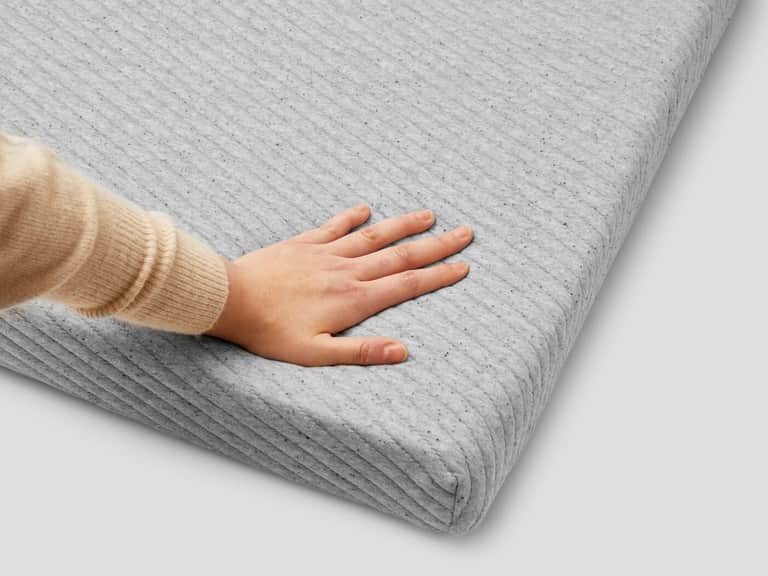
Within the contemporary marketplace, the option that elegantly synthesizes the guide’s themes—Dunlop versus Talalay, natural versus organic, cover choices, and a track record of consumer trust—often resides in the offerings by Naturepedic and Savvy Rest. These brands provide a practical reference point for readers who want to understand how to connect material philosophy with daily sleep experience. A practical example to consider, aligning with the guide’s emphasis on longevity and responsible sourcing, is the Naturepedic Box-Stitched Organic Dunlop Latex Topper, a 3-inch layer designed to deliver dependable support with a GOLS-certified latex core and a GOTS-certified organic cotton cover. Its design demonstrates a balance between buoyant support and natural insulation, with a care regimen that respects the topper’s materials and the sleeper’s routine.
Another instructive example is Savvy Rest’s Harmony latex topper, which combines a three-inch latex core with an organic cotton cover quilted with wool. The combination yields a surface that breathes, cushions, and recovers with the body’s movements, reflecting a philosophy of sustainable comfort that many readers may find compelling.
9) The value proposition: why latex toppers endure
Latex toppers stand out because they are resilient, responsive, and relatively stable across temperature fluctuations. The material’s inherent elasticity ensures that the surface returns quickly after weight shifts, which helps reduce the sensation of sinking and supports spinal alignment over the course of the night. When paired with organic covers or wool blends, latex toppers gain a versatile capacity to manage temperature while maintaining a comfortable, inviting surface for years to come.
In a marketplace crowded with quick comfort and disposability, latex toppers offer a refined alternative: a commitment to materials, to careful construction, and to a sleep experience that respects the body’s fundamentals. The right topper invites a sequence of well-timed awakenings—brief, restorative, and unburdened by the friction of a poorly matched surface.
10) The practical checklist for your next purchase
- Confirm the latex type (Dunlop vs. Talalay) and the density ratings provided by the manufacturer.
- Verify certifications: look for explicit GOLS and GOTS labels where relevant, and request documentation for both latex and cover materials.
- Inspect the cover fabric: organic cotton versus cotton blends, and whether wool or other fibers contribute to temperature regulation.
- Determine thickness options and the recommended firmness level for your sleeping style.
- Read the care instructions: spot cleaning, washing tolerances, and drying guidelines to preserve loft and resilience.
- Examine warranty and return policies. A robust warranty often signals confidence in the topper’s longevity.
- Plan for placement: consider a topper that complements your existing mattress without masking underlying support issues.
Conclusion: embracing a thoughtful, lasting sleep surface
In the quiet calculus of a night’s rest, a latex mattress topper can be both a technical decision and a sensorial invitation. By understanding the differences between Dunlop and Talalay processes, weighing natural against organic certifications, and aligning a topper’s firmness with sleep style and weight, you can curate a surface that ages with grace. Brands like Naturepedic and Savvy Rest offer practical exemplars of how to translate a philosophy of health, sustainability, and comfort into a tangible, durable product. The goal is not novelty but a consistent, restorative experience—night after night, season after season.
Product spotlight within this guide
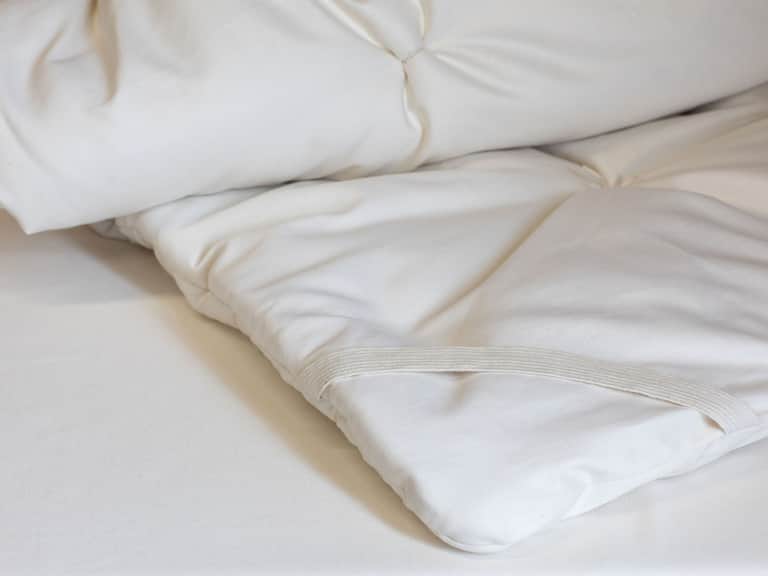
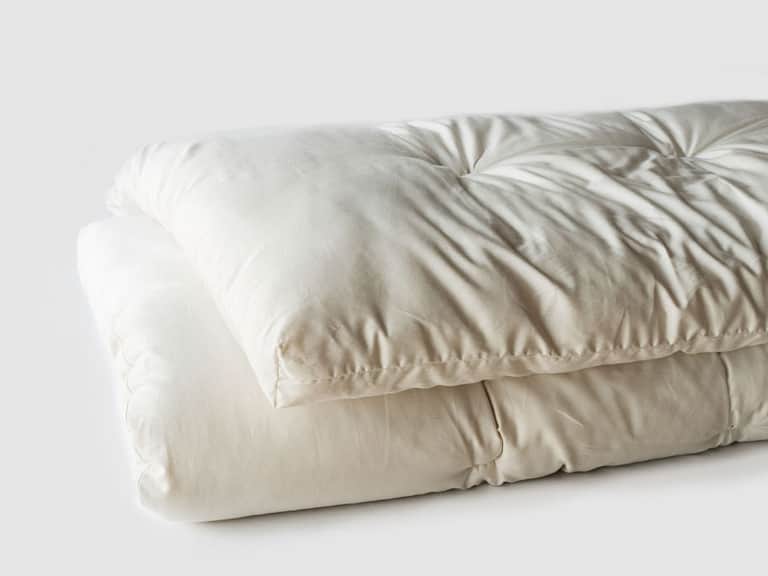
Certified Organic Quilted Topper is a notable example that harmonizes GOTS-certified wool and organic cotton fibers with a quilted construction. It is designed to offer two thickness options—Deep Sleep for a gentler softness and Ultimate for a plush, pillow-top height. It represents a practical synthesis of natural materials, certification transparency, and a straightforward care routine. The topper’s organic sourcing, from India to Pakistan and the Western United States or New Zealand for wool, reflects a global, responsible supply chain aligned with the guide’s ethos of durable, well-sourced comfort.
For readers seeking a tangible reference point, this product demonstrates how a latex topper can be anchored in a sustainability-forward narrative while delivering everyday usability. It is a reminder that longevity in sleep gear is earned through attention to materials, construction, and the quiet rituals of care.
Notes on sourcing from wwwtopper.com
This article references latex toppers thoughtfully, with a focus on material science, certification integrity, and the lived experience of sleep. The aim is to illuminate how to read a product’s claims, compare core attributes, and select a topper that endures. The examples cited—Naturepedic and Savvy Rest—offer credible touchpoints for readers who want to connect theory to practice without sacrificing the pleasures of a well-made night’s rest.